2025 wrap-up


If you’re here, you already know what this is. Welcome and congratulations on finding your way through AI slop to this 100% human-created post!

Here we look both ways: into the past and into the future.

Let’s begin with what was planned for 2025:

Plan A
Fulfillment of the Submachine Card Game Kickstarter campaign.
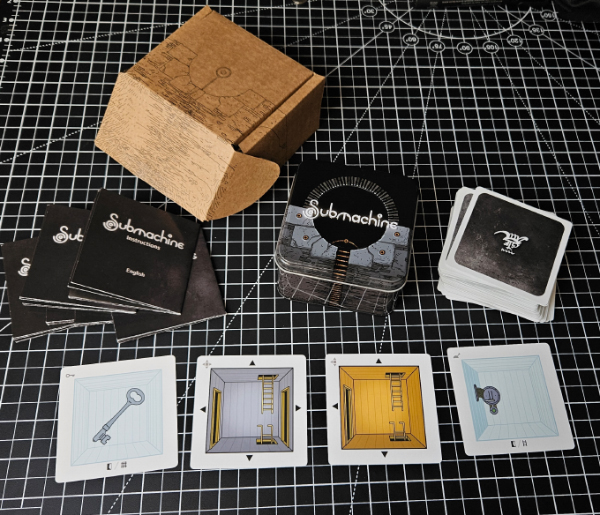
This means sending out the game to all backers on Kickstarter. This will be the most crucial moment for me, as with any game release – you playing the game is the most interesting and yet unknown factor in the possible further development of this game. If it flops and you don’t like the game play – well, we’ll have a piece of Submachine merch on our shelves. If the game is good – we’re looking at at least one expansion and possible reprints with graphical redesigns. Hard to tell right now. Let’s reconvene next year and compare notes. As it stands now – we’re waiting for the factory to send us the finished product.

Notes compared. The fulfillment went rather smoothly in the spring of 2025 and then the game went straight into general sale in my shop. I still have some stock to sell, so the expansion and reprints are not happening right now. However, after revising cut content there is about 24 to 32 new cards that could potentially institute a game expansion. These cards would be new rooms with more alternate passages and new function cards to add more functionality to the game play. It’s on the side burner, just waiting for its time I guess.

Plan B
Daymare Town remaster release.
Well, duh. I’m finishing the last batch of original backgrounds as we speak and moving onto animations, puzzles and imagining expansion with new locations, new puzzles, new daymare folk, etc. Again, can’t say more, because spoilers. The additional stuff territory is not to be discussed before game release. I also won’t be sharing any release date yet, as I honestly have no idea. The game takes its shape, but how much expanded will it end up – I don’t know yet.

Yup. That happened. Game was expanded, enlarged, widened, beautified and released. I even managed to release a separate soundtrack for this game on Steam with the help of Alex Voytenko. Each new game – something new is learned. It was indeed wise of me to not set any release date a year ago, since the Submachine Card Game fulfillment jumped in unexpectedly and took a lot of time and energy to finish and send out to everybody. I thought I would release Daymare Town in the spring, but alas, it was released in autumn. That’s multiple-projects-at-once method of creativity right there for you. You can’t release a card game without postponing a Steam game.

Plan C
Revolutions 12: Panaceum.
Well, to be honest, I’m not so sure about this one. I want to draw this comic book, I really do, I just don’t know when exactly it will happen. It will be my return to the Revolutions comic book series. As the last entry was published back in 2018, it’s high time to revive this series. But it completely depends on how long finishing the Daymare Town remaster will take. Which, as I just said – is completely unpredictable at this point. Let’s just wait and see.

The state of this comic book at the end of the year is as follows: sketches complete, story complete, all storyboards complete, page layouts complete, new watercolor paper and ink bought and ready to go. All that’s left is actually drawing it, which is my main goal in January and February of this year. But that’s a story for another day. Things be moving, just off-screen for now.

~~

There are also things that happened outside of the yearly plan, two of them to be exact, not sure which one is more awesome for you guys.

Submachine the Engine.
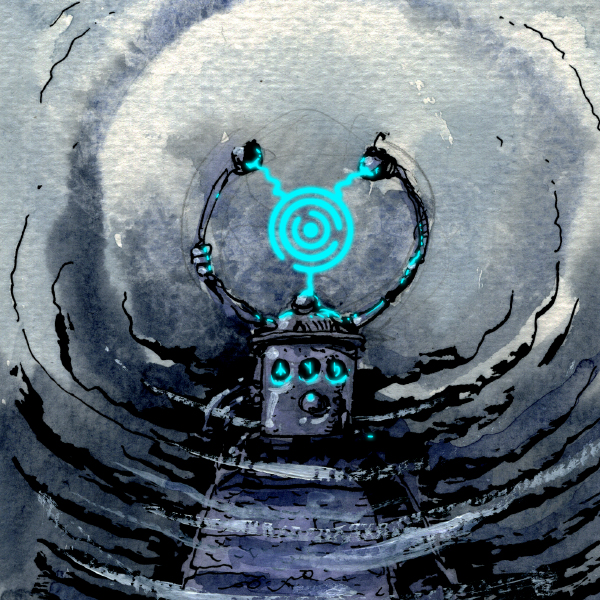
Yeah, I know, after the release of Daymare Town I should’ve taken a break or something, but what can you do. If your brain is firing at 120% of its capacity, you can’t just turn it off with a snap of a finger, so I started developing my next game – Submachine the Engine. And, what’s more interesting, its level editor which I’m planning to release along the main game for you guys to create your own levels within the game. I’d say this is the most ambitious project, especially on the game coding side, but it’s looking good so far. Again, slow burn, nothing to rite home about just yet, but it exists. In its current form we have a rooms grid editor in which you can create, well, a grid of connected rooms. Next up – room editor, in which you’ll be able to set up the design of each room separately.

Submachine Comic Book.
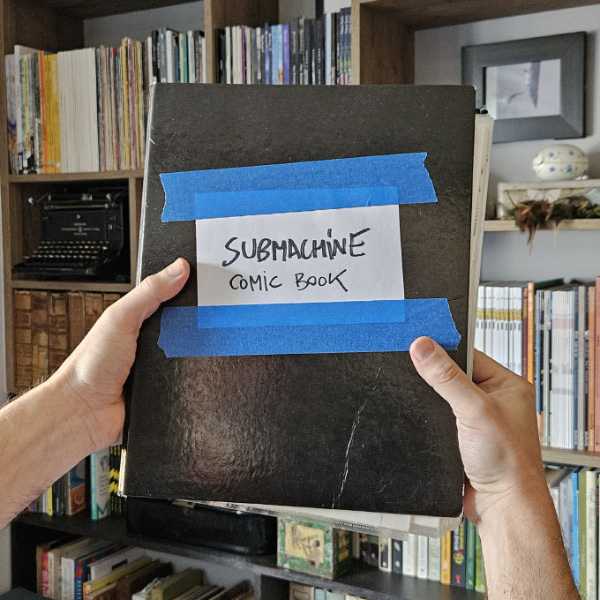
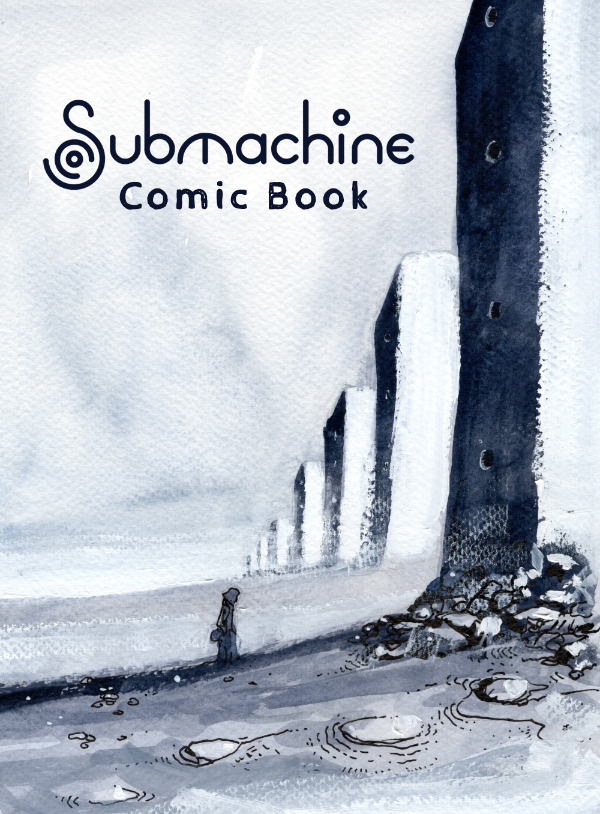
At the tail end of the year I announced a new project that combines both games and comic books. I haven’t told you this sooner, but I got the initial idea for this book in the spring. Since then I was slowly, very slowly writing the story in my head. As you probably know, writing stories in my case takes a long time, for example, this Revolutions comic book that I’m drawing right now was first imagined back in 2010. Yes, 15 years ago. But do not worry, Submachine Comic Book will surely take less time to complete.

However, these two projects have really just begun, so let’s look ahead at 2026.

Plan A

Revolutions 12: Panaceum.
Right now I’m trying to get into the flow state of drawing and painting. Once I’m there, it will be smooth sailing until the end of February, at which point this book will be ready to be published this spring. Fingers crossed.

Plan B

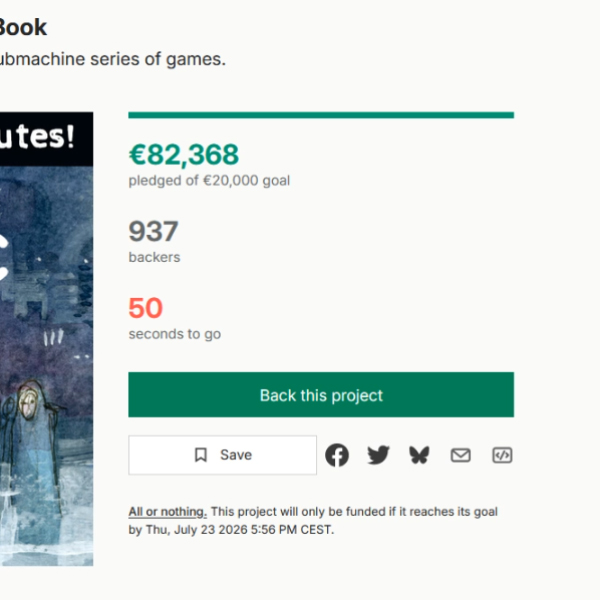
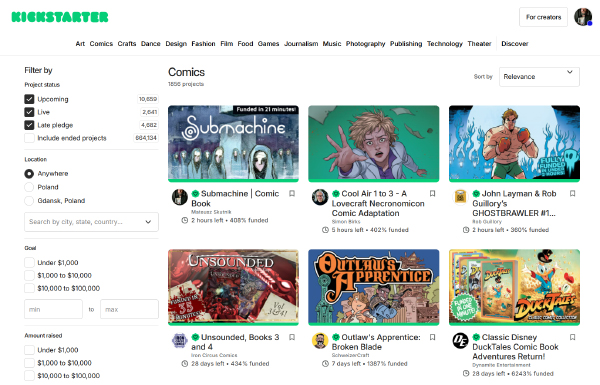
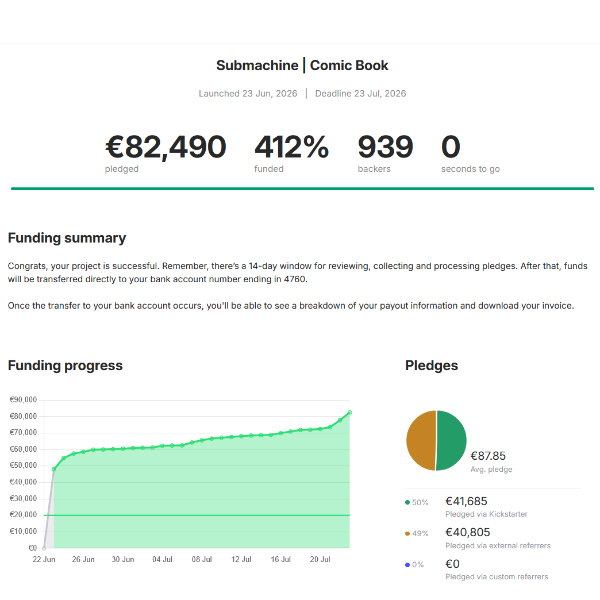
Preparing a Kickstarter campaign for Submachine Comic Book.
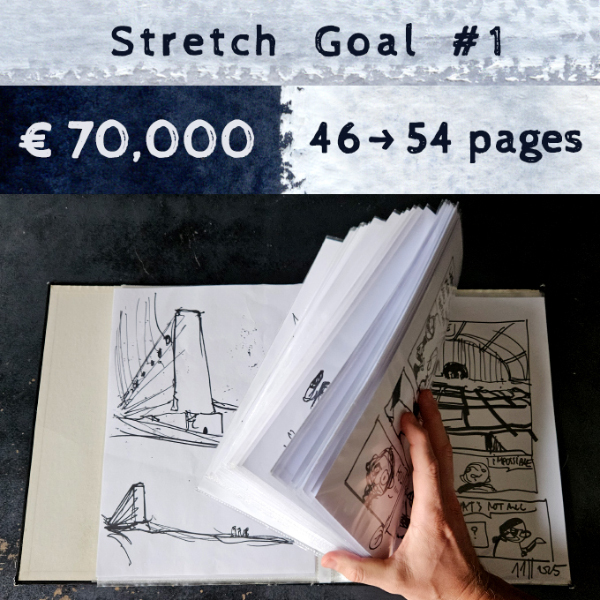
Before attempting the creation of this book I have to know for sure how many of you want it really. This is why the Kickstarter enters the picture. Just as with the card game before, it will let me estimate the demand for it. Once the campaign is succesful I’ll know I’m not creating into the void and that somebody will buy and read this. Then the project will catch wind in its sails and take off. So stay tuned for any information from me about upcoming campaign. I plan on some sweet rewards for you guys, including original sketches and actual original pages from the book. Milestones will include more pages of the book. Right now it’s set to be a 46-page story, but I can expand it to 54 or 62 pages. I’m known for my ability to stretch story on more pages than initially expected. As for the timeline, let me think, late spring, early summer? Like, June?… Fingers crossed.

Plan C

Continuous development of Submachine the Engine.
Going back to the development side – this game will be in development in the background, slowly but surely becoming my most complex creation ever. All thanks to donations of Patreon, which is my main income source for game development. Hopefully I’ll be able to get back to the heights of my intellect to actually make this level editor thing a reality. Fingers crossed.

~~

So yes, this year is a bit Submachine-heavy, but I don’t think anyone will complain about this. :D

See you guys next year!


Submachine Comic Book reveal


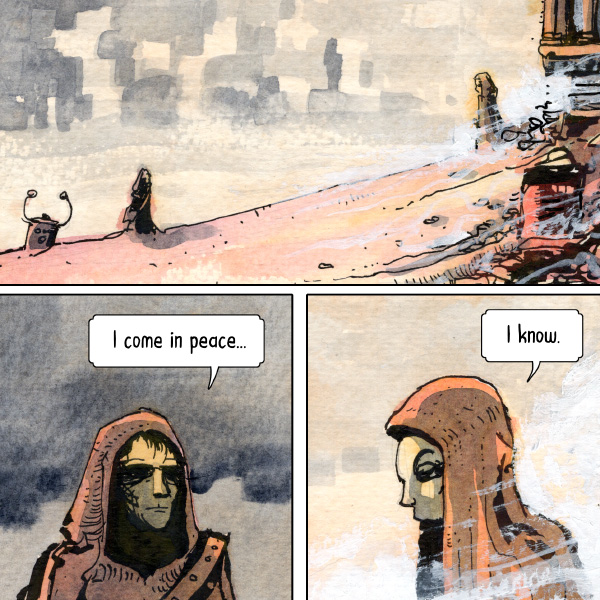
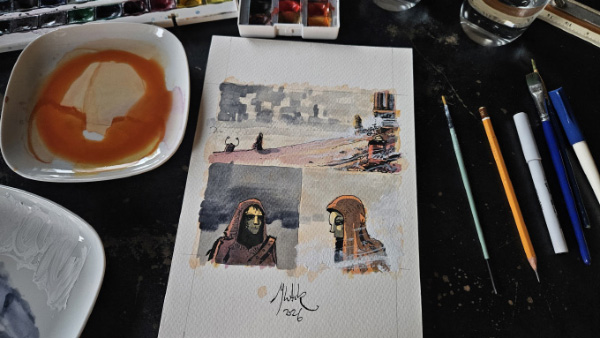
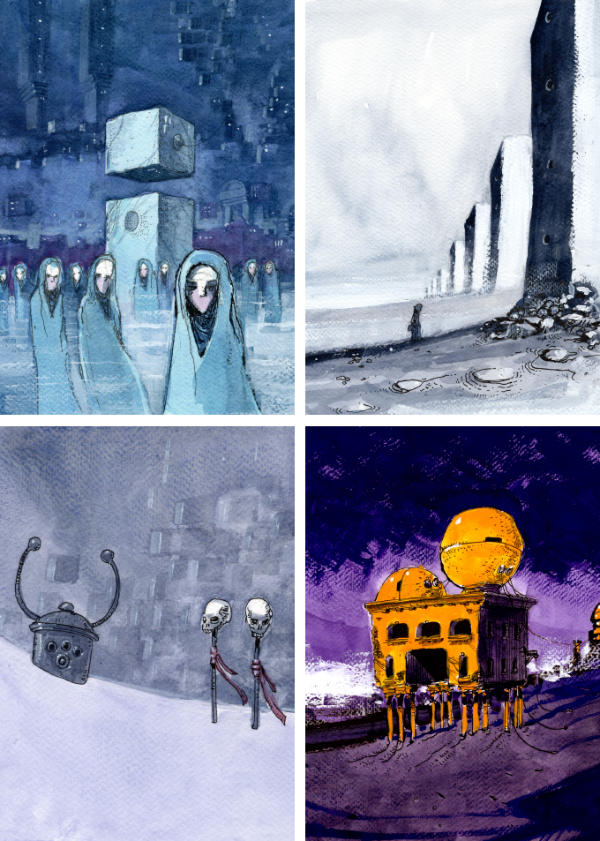
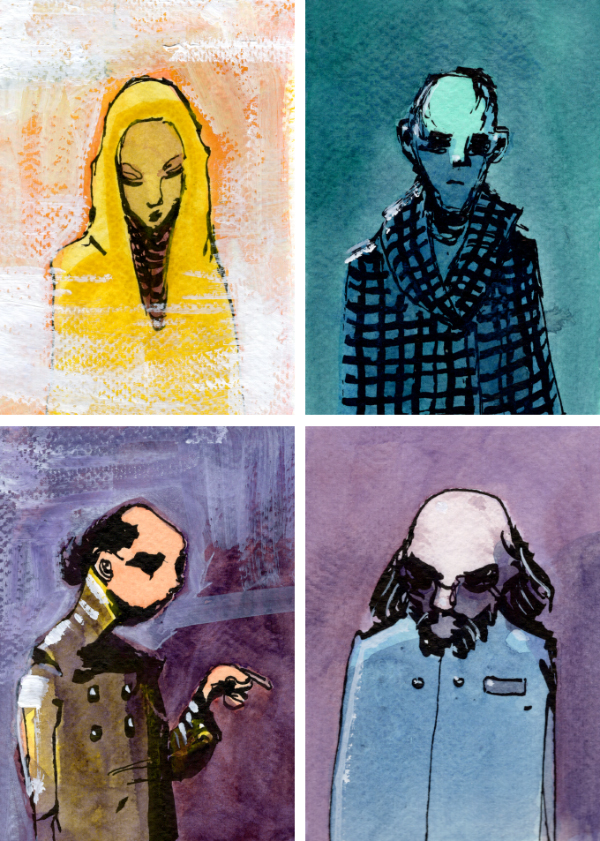
You’ve been asking me for this for over a decade. In February of this year I finally came up with an idea worth putting to paper. I’ve been secretly working on the story for this project for almost entire year. These are first sketches for the SUBMACHINE COMIC BOOK. On Kickstarter in 2026. If you don’t like or read comics – no harm done! You can treat it as an art book of submachine related hand-drawn watercolors!


Daymare Town original series review


Polish graphic artist Mateusz Skutnik has designed a number of games over the years, from the sterile room-escape series Submachine to the more lighthearted puzzle-platformer Slice of Sea. Bridging the gap between these works is Daymare Town: four meaty, atmospheric point-and-click Flash games initially released between 2007 and 2013. Daymare Town‘s distinct black-and-cream-color art style can be described as “Edward Gorey meets Shel Silverstein”, with both the gloom and whimsy to match, and these illustrations make for clear, sensible puzzles that rarely need an explanation.

Daymare Town – the town – is a quiet, foggy clockwork locale, situated high on a cliff. Ominous creatures stare from the shadows, strange machines can be found around every corner, and you can step through a painting frame as easily as a doorway. Mysterious lore looms just beyond comprehension, from unknown symbols on walls to the bizarre physiology of humanoid seaweed, yet the world never becomes confusing or pretentious.

Intended for “advanced pnc gamers”, Daymare Town stands out from other first-person adventures with lots of small, subtle clickable areas. Though challenge is the name of the game, it’s seldom unfair – there’s no way to die and interactions generally don’t require leaps of logic. Skutnik clearly has a passion for hide-and-seek, as the bulk of his games feature heavy emphasis on careful exploration.

The first Daymare Town (also referred to as “Daymare Town 1: Book Alley“) starts out simple, despite the lack of a given goal. Its interface is easy to digest, and a relatively small amount of area to cover ensures that you won’t spend too long backtracking for what was missed. At first glance, Daymare Town appears to be deserted, but you’ll eventually find a few residents lurking about, and they’re a charming bunch of weirdos. This is as friendly as Daymare Town gets, in every sense of the word – after its first episode, the series’ mood skews gradually more sinister, and a forlorn NPC eventually reflects on this decline.

Though it’s the shortest of the four, Daymare Town 1 boasts a heartier experience than your average Flash game, even offering a “secret puzzle” in the form of a sidequest. There is a single in-game clue about its requirements, but in order to make sense of it, you’ll need to find at least one secret on your own. This sidequest resembles Skutnik’s series 10 Gnomes (like a tricky, desolate Where’s Waldo that’s also a mellow photo essay), and is only the first of the series’ extra challenges.

Daymare Town 2 (“Market Square“) kicks off a trend of starting where the previous game ended, going so far as to start the player with the items they would have had left over. Despite the series not having much in the way of plot, there’s enough continuity that all four games feel cohesive –  elements from the first game serve as foreshadowing for 2, and there’s always a familiar face among the new ones.

Overall, Daymare Town 2 plays like a longer, creepier version of its predecessor. This time, the optional content takes the form of collectible coins, most of which you’ll need to pixel-hunt for. A few coins are mandatory for buying items, but there are more than you can possibly spend, so the bonus challenge is to max out your leftover tally at the end.

While Daymare Town 2 seemed to have a finite conclusion, Daymare Town 3 (“Lupus Square“) reveals that the player character hasn’t moved on just yet. Right away, 3 departs a bit from the first two: the player is expressly given goals for progression, and most NPCs will have something to say (more of a set dressing than a disruption to the atmosphere, as the text isn’t especially germane to the puzzles). Until now, there had only been a lonely, ever-present wind and an occasional sting of music, but 3 features a piano score by Ukrainian musician/composer Alex Voytenko. Aside from all this, there’s also an uptick in challenge (the latter two games are more likely to necessitate a walkthrough) and a look at the player character (which you’ll only see at the end).

Daymare Town 3 brings back the secondary goal of scrounging for hidden coins, but this time the monetary system requires some thought, as items can be both bought and sold – and not always for the same price. For first-time players, this may seem extremely daunting, as it’s easy to sell vital inventory and buy it back at a loss, but the game is forgiving enough with profit that it seems like a laborious (if not impossible) task to make it unwinnable.

Despite a wider selection of items, your carrying capacity in 3 is about the same as the previous two. You’ll often need to backtrack to someone who can buy your surplus, sell them whatever you don’t need right away, and then go buy the item(s) back later when you have room. After a while, you may not remember which salesperson has what, and it doesn’t help that there’s not much indication of what you’ll need with you. It’s very awkward, yet it’s not enough to spoil things. Daymare Town 3 makes up for this hiccup with plenty of content – multiple achievements give the game even more longevity, but you’ll need to figure out their secret requirements for yourself. Among these sidequests is a collection quest similar to the first game’s, now actually featuring the ten gnomes from 10 Gnomes.

Bidding farewell to the town for good, Daymare Town 4 (“Fog Trench“) presents a very different backdrop: a cliffside desert wasteland. Though there are still plenty of indoor settings to explore, the vast outdoor environments require even more effort than usual to figure out where you can and can’t go. The narrative offers several reminders that you’re not really in Daymare Town anymore – the currency has changed from coins to spotted pebbles, and in a subversion of the “friendly wandering stranger protagonist” cliché, some NPCs will refuse your help and tell you to go away.

Where the first three games conveyed their gloom mostly through images and sound, 4 swaps the gesturing, rebuses, and one-line comments for somber conversations. There still isn’t a huge amount of text, but some parts rely on dialogue to be understood. The buy/sell mechanic isn’t any different in 4, but a backpack item mitigates 3‘s inventory problem, providing ample space without cluttering the HUD. For even more convenience, there are teleporters that save time when backtracking. Between its user-friendliness, its eerie and detailed new world, more of Voytenko’s piano accompaniment, and a crazy new set of secret achievements, Daymare Town 4 keeps the series fresh and makes for a solid finale.

Unlike the previous games, Daymare Town 4 was initially released in two flavors: a free browser version and a buyable HD version. The other three were later remastered to the same presentation standards, and eventually, these updated versions (and four spin-off games) were compiled as the Daymare Town Complete Collection. Beyond graphical improvement, the HD versions boast a cleaner, more unified interface and text that’s easier to read, and the remastered versions of 3 and 4 also include audio files of their respective soundtracks.

The Daymare Town spin-offs aren’t quite comparable to the numbered titles – Daymare Town Complete Collection files them as “minigames”. The most substantial of these is Daymare Cat, a puzzle-platformer named after Canadian musician Cat Jahnke. Jahnke’s music plays via collectible records that act as keys – each of these is a portion of her haunting song “Better”, and winning provides you with a link to download the full track for free. A 10th anniversary version of Daymare Cat was recently released, providing visual enhancement and making the player character a bit zippier. According to an interview, Jahnke was already a fan of Skutnik’s before they connected – Daymare Cat came into being after she reached out with an offering of banana bread.

Daymare Cat paved the way for Skutnik’s standalone game Slice of Sea, which features a similar presentation and another song by Jahnke. Those aren’t the only Daymare Town parallels, though – Slice of Sea’s protagonist is one of the seaweed creatures from Daymare Town 4, and there are possible background connections from mysterious symbols to the bones of giants.

The other platformer among the spin-offs, Daymare Stray, isn’t too different from Daymare Cat, but instead of a human protagonist, we have a critter who looks a bit like the penguin monsters from Final Fantasy VII. Significantly shorter than Daymare Cat, Daymare Stray is an altered version of Where is 2010?, an entry in Skutnik’s annual Where is the New Year?… series, with Daymare Town-appropriate sound effects and Baby New Year swapped out. Currently, Daymare Cat and Daymare Stray are free to download.

The other two spin-offs are single-screen arcade-style affairs. Daymare Kite sees the kite-flying kid from Daymare Town 2 guiding their kite away from aggressive birds – the kite follows your mouse cursor. Bonus points are awarded for collecting germ-like pickups and luring the birds into nets. Daymare Invaders, meanwhile, is Space Invaders in Daymare Town style, starring the penguin-like creature from Daymare Stray. Though the aliens are still aliens, the smoking giant from Daymare Town 2 replaces the bonus UFO, and their appearances here and in Daymare Cat seem to cement them as a series mascot. Like the other games, Daymare Kite and Daymare Invaders appear to have been retouched, but don’t seem to have any significant differences.

Outside of the gaming medium, the comic series Morfołaki (“Morphs”, drawn by Skutnik and written by Nikodem Skrodzki) received an offshoot called Daymare Morphs which preceded the first game by several years. These short comics share the games’ visual style, but not a whole lot else – on top of their more philosophical tone, there’s a good deal of nudity and graphic violence. Artwork from these comics appears as portraits in Daymare Town 2, but as with Slice of Sea, it’s unclear just how connected these universes are meant to be.

It’s hard to believe these are the same character – the smaller version looks kind of darling.

From a distance, you might mistake Daymare Town with Bad Dream, a more recent point-and-click series with a similar aesthetic. Bad Dream‘s visuals are much more basic, and while gore and jump scares place these games in a different category, both series are first-person adventures with monochrome line art, dreary vibes, and maggots and leeches as usable items.

As of this writing, Daymare Town has been announced on Steam with a TBA release date. The trailer makes it out to be another upscaling of the first game, featuring remade artwork – however, screenshots depict some scenes that look quite a bit different from what we’ve seen so far. What’s certain is that Voytenko is providing the music once again, and it looks as though we may be seeing the gnomes again as well.

An excellent point of entry for casual and seasoned adventurers alike, Daymare Town gives meaning to a no-walkthrough run. Despite being relics of the Flash era, the games don’t show their age, and thanks to the remasters, they’re more playable now than ever. For anyone who associates the browser gaming boom with crude ripoffs and licensed dreck, Daymare Town is a solid counterpoint, standing side-by-side with other Flash greats like Frog Fractions, the Crimson Room series, and Fly Guy.

written by Dodol No. 1


Daymare Town verified on Steam Deck


Did you know you can take DMT on your trip?
Daymare Town is now fully verified on Steam Deck!


Submachine the Engine, logo v1


Daymare Town 2025, m_garland review


This is a game I’ve always imagined but never thought would become reality. It’s even better than I imagined, actually.

I think there’s something magic here you’ve touched upon. Aesthetically, there’s an inherent charm to hand-drawn media. The minimal line work makes the mind create more with what little is given in way of detail. This is a prime example of the fact that cartooning is an art form that has so much to offer video games, especially in an age of ruthlessly digital attempts at hyper-realism.

Also, great use of a monochromatic palette. It really gives the feeling as if you’re playing a game on a piece of paper. It’s underground comix come to life. What an idea! The art style overall brings that strange, paradoxical air of being confined within an uncanny spaciousness. Perfect for a series of point-and-click puzzles.

m_garland


Submachine the Engine, development start timestamp


Daymare Town 2025


Get this game on Steam | Itch.io | gog.com

 story trailer | gameplay trailer | arcade trailer

New things: the Blend | the Ornament

reviews: m_garland | Steam reviews

Steam Deck verified

the World of Daymare

Daymare Town is a hand-drawn puzzle adventure game. You find yourself in a heart of a strange city populated by peculiar Metamorph creatures. This town is full of nooks and crannies, puzzles, secrets and items to collect to help you along the way. Can you escape the nightmare of a day?

Story

You are not alone here. You will meet peculiar daymare inhabitants. Some of them will help you, some need your help. Almost everyone has a story. You can choose to learn those stories if you just listen or look carefully at the environmental story telling.

Puzzles

You will have to dive deep into the nooks and crannies of this town in order to solve all its mysteries and puzzles, of which are plenty. The better part of them will have you fighting the entropy of a town, bringing back signal to noise. There are also creatures here that need your help, look at them closely to learn who they are and what they need from you. You will have an inventory of items to use while solving puzzles.

Graphics

Entire game is hand-drawn. There’s nothing auto-generated nor procedural. There’s no AI used in any capacity. Each location was thoughtfully designed. Its stylized and sketchy character emphasizes the eerie atmosphere of an unshaped nightmare you found yourself in.

Music

Piano music for this game was created by contemporary composer Alex Voytenko. His style of music perfectly emphasizes the atmosphere of unspoken madness permeating this town.


Daymare remastered timestamp


Everything that was ever created in the Daymare Town series is as of today remastered.
Every puzzle, location, minigame and animation.
Is this the end? No, not really.
Now the fun part begins.
New stuff, puzzles, locations, creatures, collectibles, achievements, lore and so on.
I will spend July and August expanding the game.
Unfortunately – I won’t be able to show you any of this…
Hang on! :D


Submachine Card Game, recenzja w Magazynie Plansza


Retro, taktyka i klaustrofobia.

Siedzisz przy stole, a zamiast chipsów i coli przed tobą rozkłada się labirynt. Pokręcony, klaustrofobiczny, retro-abstrakcyjny labirynt jak escape roomie, tyle że wyjść może tylko jedna osoba. Czujesz? Na pierwszy rzut oka można pomyśleć: „o, domino”, ale nie daj się zwieść – pod tą pozorną prostotą czai się solidny, taktyczny tytuł z klimatycznym pazurem.

Witaj w maszynie.

Submachine to kompaktowa, kieszonkowokarciana przygoda autorstwa Mateusza Skutnika, w której 2–5 graczy wspólnie buduje labirynt pokoi, ale każdy kombinuje, żeby to właśnie on pozbył się kart jako pierwszy. Gra bazuje na legendarnej serii komputerowych przygodówek, które od 2005 do 2015 roku karmiły nasze mózgi
logicznymi zagadkami i fabularną enigmatycznością. Po kapitalnym remasterze z 2023 na Steamie, Submachine wróciło na salony, a teraz robi to samo na stołach. I robi to z klasą.

Mechanika jak szwajcarski zegarek postapo

Mamy dwa rodzaje kart: 64 to pokoje, reszta (36) to funkcje specjalne. Ilustracje są minimalistyczne, ale bardzo klimatyczne – w sam raz dla fanów surowej estetyki Submachine. Każda karta ma swoje ikonki i oznaczenia, które szybko można zapamiętać i łatwo rozpoznać. Tury są szybkie i pełne decyzji. Każdy z graczy
zaczyna z 9 kartami. Rozgrywka zaczyna się, gdy ktoś zagra pierwszą kartę pokoju, rozpoczynając budowę wspólnego labiryntu. Od tej pory gracze dokładają kolejne karty pokoi – ale tylko tam, gdzie na obu kartach zgadzają się otwarte drzwi, wysunięte drabiny i puste ściany. Wszystko musi pasować.

Do tego dochodzą karty funkcyjne i tu zaczyna się zabawa. Mamy dwie główne grupy: nakładkowe, które modyfikują przestrzeń na planszy, i jednorazowe, które zagrywa się z ręki i po użyciu lądują na stosie kart odrzuconych (albo przed graczem, jeśli mają efekt opóźniony). To dzięki nim labirynt żyje, przekształca się
i zaskakuje.

Karty funkcyjne to sól tej gry – z nich rodzą się nieoczywiste decyzje, blokady i ratujące otwarcia.

Regrywalność? O tak!

Tutaj naprawdę czuć potencjał na dziesiątki partii. Układ labiryntu nigdy nie będzie taki sam, kombinacje funkcjonalnych kart potrafią zmieniać przebieg gry, a do tego dochodzi tryb solo – idealny, żeby przetestować własne zdolności planowania w pojedynkę.

Submachine to gra, która nie zawodzi. Początkowo wygląda jak domino, ale pod maską ma całą maszynownię możliwości. Jest w niej klimat, jest wyzwanie, jest regrywalność. I co najważniejsze – ma duszę. Taką lekko pękniętą, pokrytą kurzem i z notatką „Don’t trust anyone” wciśniętą między karty.

Dla mnie – absolutny must have. Tytuł, który trafia na półkę gier szybkich i dobrych, bo daje dokładnie to, czego szukam w grach planszowych: taktykę i uczucie, że właśnie zrobiłem coś sprytnego.
p

[source]


Next Page »